

Placement of a motor controller is a critical decision in system design, influencing performance, serviceability, and longevity. We at Santroll approach this not as an afterthought, but as a fundamental aspect of the engineering process. The location of an AC motor speed controller or any drive system component affects heat dissipation, electrical noise, and ease of maintenance. Selecting the correct environment for the motor controller ensures operational stability and protects the investment in the broader automation system.
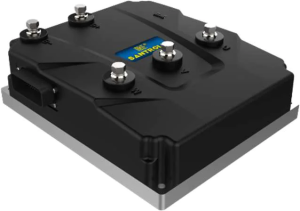
Environmental Considerations for Controller Longevity
The operating environment directly impacts the reliability of a motor controller. These units generate internal heat during operation and are designed to dissipate it within specified ambient temperature ranges. Installing a controller in a confined, unventilated enclosure or near significant external heat sources can lead to premature thermal shutdown and component degradation. We recommend locations with adequate airflow, away from direct sunlight or radiant heat from other machinery. Furthermore, the area should be free from excessive conductive dust, corrosive vapors, and moisture. For harsh environments, specifying a unit with a higher IP (Ingress Protection) rating or installing the controller in a segregated, climate-controlled cabinet is often a necessary step for ensuring the motor controller achieves its intended service life.
Electrical Integration and Signal Integrity
The physical location of the motor controller also dictates the length of the power and signal cables. Long cable runs between the controller and the motor can lead to voltage drop, reflected wave phenomena, and electromagnetic interference (EMI). It is a standard practice to position the AC motor speed controller as close to the motor as is practically possible, while still allowing for service access. This minimizes cable length, reducing electrical losses and potential noise emissions that can disrupt sensitive control electronics. Simultaneously, control wiring carrying low-voltage signals for commands and feedback should be routed separately from high-power motor leads. Proper grounding of the motor controller chassis at the installation site is non-negotiable for safety and for providing a path for electrical noise, thereby protecting the controller’s internal circuitry.
Accessibility for Maintenance and System Monitoring
While environmental and electrical factors are paramount, human factors cannot be overlooked. A motor controller requires periodic inspection and may need parameter adjustments or diagnostic review. Installing the unit in an inaccessible location—such as high above a production line or behind other equipment—creates significant operational hurdles. Technicians may delay routine checks, and troubleshooting time increases dramatically during a failure. The ideal location provides clear, safe access for personnel to view status indicators, connect programming devices, and perform voltage measurements. This foresight in placement supports proactive maintenance and minimizes mean-time-to-repair (MTTR), which is a core principle behind our own design for serviceability in Santroll controllers.
The decision of where to locate a motor controller balances technical requirements with practical operational needs. It is an integration point between electrical safety, thermal management, and human interaction. A well-planned installation, where the AC motor speed controller is situated in a clean, cool, and accessible location, pays continuous dividends in system uptime and reliability. We advise clients to consider this placement during the initial design phase of a machine or process line, as it establishes a foundation for the sustained performance of the entire motion control system.