

Air compressors represent a significant portion of industrial energy use, and their efficiency is often dictated by the quality of their motor control solutions. The selection of a motor controller is not a one-size-fits-all process; it is a functional decision based on operational demands. We will analyze how different compressor applications correspond with specific types of controls, focusing on the relationship between duty cycles and technological requirements.
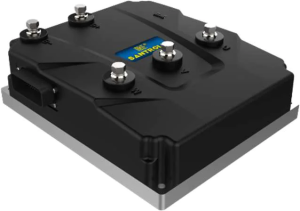
Fixed-Speed Operation and Elementary Control Methods
For applications where air demand is constant and predictable, a simple, fixed-speed motor controller is often sufficient. This category includes direct-on-line (DOL) starters and soft starters. The primary role of this motor controller is to manage the initial, high inrush current that occurs when an electric motor starts. By controlling this current, these motor control solutions reduce stress on the motor’s electrical system and minimize mechanical shock to the compressor’s moving parts. While reliable and cost-effective, this approach operates the compressor in a simple on/off cycle. This method can be adequate for basic tasks but may lead to energy inefficiency if demand fluctuates, as the motor runs at full capacity regardless of actual air need.
Variable Speed Demands and Advanced Drive Systems
In environments with fluctuating air consumption, a variable frequency drive (VFD) becomes the appropriate motor controller. This advanced category of motor control solutions operates on a different principle: it adjusts the motor’s speed and torque to precisely match the air demand. Instead of repeatedly starting and stopping, the compressor motor slows down during periods of low demand. This variable speed operation maintains a more consistent system pressure, reduces cycling losses, and minimizes wear on components like bearings and valves. The energy savings achieved by avoiding unloaded running and reducing start-stop cycles can be substantial, making the VFD a compelling motor controller for compressors that do not run at a constant load.
Matching Controller Capabilities to Operational Profiles
The process of selecting the right motor controller requires a clear assessment of the compressor’s workload. Key factors include the frequency of starts and stops, the range of pressure required, and the daily profile of air usage. A compressor serving a single automated machine with steady consumption may operate efficiently with a basic soft starter. Conversely, a central plant compressor supplying an entire workshop with varying usage patterns will achieve greater efficiency and control with a variable speed drive. The decision hinges on a cost-benefit analysis that weighs the higher initial investment of advanced motor control solutions against the long-term savings in energy and maintenance costs.
The effectiveness of a compressed air system is deeply linked to its motor controller. Fixed-speed motor control solutions provide reliability for constant-duty applications, while variable-speed drives introduce a layer of operational intelligence and efficiency for variable loads. A detailed understanding of your specific air demand patterns is the most critical step in this specification process. At Santroll, we engineer a range of motor controller products designed to meet these diverse requirements, providing the robust and efficient motor control solutions that industrial compressors depend on for consistent performance.