

Understanding the nuances of motor control is essential for businesses that rely on electric motors for precision and efficiency. At Santroll, we frequently work with clients who need clarity on the differences between BLDC and PMSM control systems. This knowledge helps optimize performance, reduce maintenance, and improve operational reliability in industrial settings.
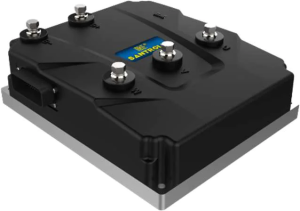
Core Distinctions Between BLDC and PMSM Control
A BLDC motor controller manages brushless DC motors by regulating voltage and current to achieve the desired speed and torque. In contrast, a PMSM controller handles permanent magnet synchronous motors, which use a sinusoidal input to maintain smooth and consistent operation. At Santroll, we emphasize that while both controllers regulate electric motors, the way they deliver power and respond to operational changes differs. Recognizing these distinctions ensures that businesses select the right controller for their specific application and performance requirements.
Operational Implications of Each Control Type
The choice between BLDC and PMSM control impacts motor behavior in real-world applications. BLDC motor controllers provide efficient, cost-effective solutions with relatively simple implementation, making them suitable for industrial machinery where precise torque management is needed. PMSM controllers, on the other hand, offer smoother performance and higher efficiency at varying speeds, which is critical for applications requiring consistent and quiet operation, such as robotics or automated conveyors. At Santroll, we work with clients to evaluate operational demands, helping determine which control type aligns best with long-term performance and maintenance considerations.
Integration and Monitoring Considerations
Integrating motor controllers requires careful attention to system compatibility and monitoring. At Santroll, we ensure that both BLDC and PMSM motor controllers are matched to the motor type, power supply, and control interface. Proper configuration and regular monitoring allow businesses to detect potential issues early, such as thermal stress or performance fluctuations. By observing operational patterns and adjusting settings proactively, companies can maintain consistent performance and extend motor lifespan. This approach minimizes downtime and supports efficient industrial processes.
Practical Advantages for Industrial Users
Choosing the correct controller offers tangible benefits for businesses. At Santroll, we see clients achieve improved energy efficiency, reduced wear on motors, and optimized operational performance by applying BLDC or PMSM control thoughtfully. Bldc motor controllers are effective for precise, reliable torque control, while PMSM controllers provide smoother speed regulation and high efficiency under varying loads. By understanding the differences and implementing the appropriate system, companies can enhance productivity, ensure equipment reliability, and achieve measurable operational improvements.
Motor control decisions directly influence the performance and lifespan of electric motors. At Santroll, we combine practical expertise with systematic evaluation to help clients select, integrate, and maintain controllers effectively. Applying these insights ensures that both BLDC and PMSM motor controllers deliver reliable, efficient, and long-term results in industrial applications.