

Efficient operation of industrial systems relies on controlling electric motors effectively. At Santroll, we frequently work with clients to explain the role of a motor controller and how it contributes to reliable, high-performance systems. Gaining clarity on this component allows businesses to optimize processes and ensure smooth operation across various applications.
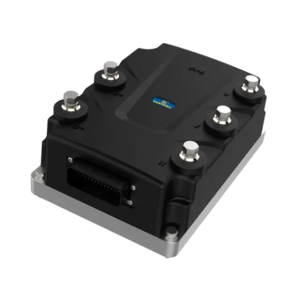
What a Motor Controller Does
A motor controller is responsible for regulating the speed, torque, and direction of an electric motor. It acts as an intermediary between the power source and the motor, translating control signals into precise electrical input. At Santroll, we often work with bldc motor controllers, which manage brushless DC motors with high accuracy and efficiency. These controllers help prevent overloads, reduce energy consumption, and maintain stable motor operation. For industrial clients, understanding the role of a motor controller is essential to improving productivity and protecting machinery investments.
Types of Motor Controllers and Their Uses
Motor controllers come in a variety of designs depending on their intended application. Some controllers provide basic start-stop functionality, while others offer advanced features such as variable speed control, torque adjustment, and integrated monitoring systems. At Santroll, we guide clients in selecting controllers that align with the operational demands of their equipment. Bldc motor controllers, in particular, are suitable for applications requiring precise speed management, such as automated conveyors, electric vehicles, and robotics. Choosing the right controller ensures optimal motor performance, reduces maintenance needs, and extends equipment life.
Practical Considerations for Integration
Installing a motor controller involves more than just connecting it to the motor. At Santroll, we emphasize evaluating compatibility with the motor type, power supply, and control interface. Proper integration ensures that the controller can respond accurately to operational commands and handle varying loads efficiently. Monitoring performance during early operation allows businesses to fine-tune settings and detect irregularities before they impact productivity. Regular checks on wiring, signal quality, and thermal performance help maintain consistent operation and prevent unexpected downtime.
Benefits of Motor Controllers in Industrial Applications
Using a motor controller provides several tangible advantages for businesses. At Santroll, we see clients benefit from improved energy efficiency, precise motor management, and reduced wear on equipment. Bldc motor controllers, specifically, deliver consistent performance and extend the operational life of brushless motors. By implementing these controllers thoughtfully, companies can maintain reliable operation, optimize productivity, and lower operational costs.
Motor controllers are more than just components—they are critical for ensuring accurate and efficient motor performance. At Santroll, we combine practical expertise with systematic approaches to help clients choose, integrate, and maintain motor controllers effectively. This approach supports long-term reliability and enhanced performance in industrial settings.