

An electric motor performs a fundamental task: it converts electrical energy into controlled mechanical rotation. This conversion process is the basis for driving an immense variety of machinery and propulsion systems. At Santroll, we view the electric motor not just as a component, but as the primary actuator that translates electrical commands into physical work. In applications like electric boat motors, this function is directly responsible for producing thrust from battery power, replacing the need for internal combustion engines.
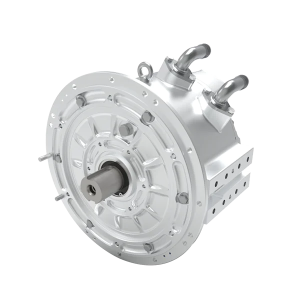
The Process of Electromechanical Energy Conversion
The operation begins with the interaction of magnetic fields. When electrical current flows through conductive windings inside the motor, it generates a magnetic field. This field exerts a force against another magnetic field, which can be created either by permanent magnets or by another set of energized windings. The strategic arrangement of these fields creates a repulsive and attractive force that results in torque, causing the motor’s central shaft to rotate. This consistent conversion of electrical input into mechanical output is the essential service an electric motor provides to any system it powers
Delivering Controlled Torque and Precision
The value of an electric motor extends beyond simple rotation. Its ability to deliver precise and controllable torque is critical for industrial and marine applications. Modern controllers can manage the power supplied to the motor with great accuracy, allowing for exact control over rotational speed and output force. This precision is what enables complex automation and, in the case of electric boat motors, allows for smooth maneuvering, precise docking, and consistent speed holding against currents or waves, which is a significant advancement over traditional throttle-based control.
Application in Marine Propulsion Systems
In the context of electric boat motors, the core function is adapted for the marine environment. The rotational force produced by the electric motor is transferred through a shaft to a propeller, which pushes against the water to create thrust. The immediate torque availability of an electric motor provides strong acceleration, while its variable speed capability contributes to efficient cruising. The direct connection between electrical power and propeller thrust simplifies the propulsion system and increases the overall efficiency of the vessel’s power train.
The role of the electric motor is defined by its reliable and efficient conversion of electrical energy into useful mechanical work. Its capacity for precise control makes it a versatile solution for tasks ranging from industrial automation to marine propulsion. For our engineering work at Santroll, perfecting this core function—especially in specialized applications like electric boat motors—involves optimizing every aspect of the magnetic circuit and control system. The result is a component that delivers predictable, efficient, and controllable motion as the driving force in a wide array of technologies.