

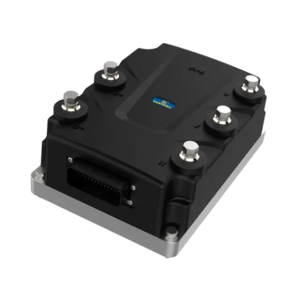
For engineering teams, the period following the installation of a motor controller involves a focus on its daily operation and integration into a production environment. We at Santroll recognize that using this component effectively dictates the performance of the entire drive system. Its function extends beyond initiation and cessation of motion to include precise regulation, protection, and communication. Proper operational use of a motor controller, particularly an AC motor speed controller, ensures that machinery operates as intended, with consistent results and minimal unplanned downtime. This process involves a clear understanding of control inputs, parameter management, and routine oversight.
Establishing Command and Control Inputs
The primary interaction with a motor controller happens through its control inputs. These inputs determine the controller’s actions. Common configurations involve digital inputs for basic commands like run, stop, jog, or forward/reverse direction. For speed regulation, an analog input, such as a 0-10V or 4-20mA signal from a PLC or potentiometer, is standard. A more advanced method uses digital communication protocols like Modbus RTU or CANopen, which allow for comprehensive command and data exchange over a single cable. Selecting the correct input method is the first step in making the motor controller responsive to the broader automation system’s commands.
Managing Operational Parameters and Settings
After establishing control, fine-tuning the internal parameters of the motor controller is necessary for optimized performance. These are not universal settings; they are specific to the motor and application. Key parameters include acceleration and deceleration times, which prevent mechanical shock during starts and stops. Current limits protect the motor from overload conditions, while preset speeds can be defined for repetitive processes. For an AC motor speed controller, adjusting the voltage/frequency (V/F) profile ensures the motor produces sufficient torque across its entire speed range, especially at lower frequencies. This calibration prevents issues like motor stalling and inefficient operation.
Implementing Monitoring and Diagnostic Routines
A modern motor controller provides valuable feedback on system health and performance. Utilizing these diagnostic features is a core aspect of its operational use. Many units offer fault indicators for conditions like overcurrent, overtemperature, or under-voltage. Advanced models provide real-time data on output current, output frequency, and DC bus voltage. Monitoring this data allows maintenance personnel to track system performance and identify trends that may indicate developing problems. This proactive approach, facilitated by the motor controller’s own feedback, enables planned maintenance instead of reactive repairs, significantly enhancing operational reliability.
The effective use of a motor controller is defined by a cycle of command, calibration, and observation. It acts as the executing agent for system commands while also serving as a source of critical operational data. Mastering its inputs, parameters, and diagnostics transforms it from a simple component into the central management point for motorized applications. The specific capabilities of an AC motor speed controller in this regard are crucial for achieving precise motion profiles and maintaining process integrity. This level of operational control is what separates basic functionality from optimized, industrial-grade performance.