

Quantifying torque output is a fundamental requirement for validating motor performance and ensuring system integration meets design specifications. Several established techniques exist to measure the torque produced by an electric motor, each with specific applications and accuracy levels. We at Santroll will outline these methods, considering their practical implementation and relevance to developing comprehensive electric motor solutions.
Direct Measurement Using a Dynamometer
The most straightforward approach involves using a dynamometer, a device designed specifically to apply a measurable load to a motor. In a common configuration, the motor under test is mechanically coupled to the dynamometer’s shaft. As the motor rotates, the dynamometer applies a controlled braking force, effectively creating a resistance that the motor must work against. This setup allows for direct measurement. The dynamometer’s internal load cell or sensor directly measures the reaction force, and this force multiplied by the lever arm (radius) provides an accurate, real-time torque reading. This method is highly valued in development and validation phases for its precision across a wide range of speeds and loads, providing critical data for refining electric motor solutions.
Calculated Torque Using Power and Speed Data
When direct measurement equipment is unavailable, torque can be derived through calculation using other operational parameters. The fundamental relationship between power, speed, and torque is consistent. The mechanical power output of a motor (in watts) is equal to the torque (in newton-meters) multiplied by the rotational speed (in radians per second). By accurately measuring the motor’s rotational speed with a tachometer and determining its mechanical output power, the torque can be calculated. This calculation requires an accurate assessment of the motor’s output power, which itself may be determined by measuring electrical input power and applying known efficiency curves. While indirect, this method is practical for field verification and system performance checks.
Utilizing a Motor Controller for Operational Estimation
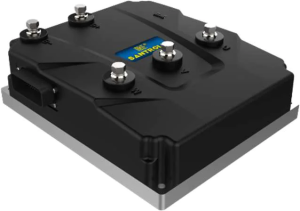
Modern systems can leverage the capabilities of an advanced motor controller for continuous torque estimation. This method does not involve external sensors. Instead, the motor controller utilizes its inherent knowledge of the motor’s performance characteristics. For precise control, the controller monitors the current (amperage) being delivered to the motor. Since torque in many motor types, particularly BLDC and certain AC designs, has a known proportionality to current, the controller can estimate torque output based on the measured current draw and its internal model of the motor. This estimated data is valuable for real-time system protection, load monitoring, and ensuring the motor operates within its safe operating area, forming a key part of intelligent electric motor solutions.
Each torque measurement method serves a distinct purpose in the lifecycle of a motor system. Dynamometers provide laboratory-grade accuracy for design verification. The calculation method offers a practical tool for field engineers. Estimation through a motor controller enables integrated, real-time system protection and control. The selection of an appropriate method depends on the required precision, application environment, and available instrumentation. We consider these factors when designing our electric motor solutions, ensuring that torque performance can be accurately validated and monitored to guarantee reliability and efficiency in your specific application.