

Effective debugging of a motor controller is a systematic process that ensures operational continuity and system integrity. We at Santroll approach this not as a reactive fix, but as a diagnostic procedure grounded in logical progression. Whether addressing a standard motor controller or a more complex ac motor controller, the objective remains identical: to isolate the fault efficiently and restore precise command over motion. This structured methodology provides a reliable framework for technicians and engineers.
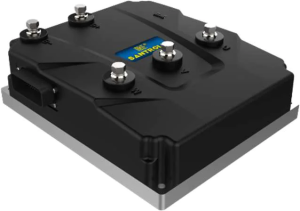
Establishing a Diagnostic Foundation
The initial phase involves creating a stable baseline for testing. Before applying power, a meticulous physical inspection is conducted. We examine the motor controller for any visible signs of stress, such as damaged capacitors, burnt connectors, or loose power terminals. Ensuring all electrical connections—power, motor phases, and grounding—are secure and correctly rated is a fundamental step. For an ac motor controller, confirming that the input voltage and phase align with the unit’s specifications is critical to prevent immediate damage. This preliminary stage eliminates environmental and connection errors, which are frequent sources of failure.
Interpreting Operational Feedback and Signals
With the physical inspection complete and power applied, the motor controller itself becomes the primary source of diagnostic information. Modern units, including our ac motor controller products, are equipped with status indicators and error code systems. These codes, detailed in the product documentation, provide the first specific clues regarding the nature of the fault, such as overcurrent, overtemperature, or communication loss. If the system powers on but the motor does not respond to commands, the focus shifts to the control signals. We verify the presence and sequence of low-voltage control inputs, such as the enable signal and direction command, using a multimeter or logic analyzer to ensure the motor controller is receiving correct instructions to operate.
Leveraging Software for Parametric and Dynamic Analysis
When hardware and basic signals are confirmed, the debugging process moves to a software level. Connecting a computer to the motor controller via its communication port unlocks deep diagnostic capabilities. Through dedicated software, we can monitor real-time parameters like bus voltage, output current, and I/O status. This is particularly valuable for an ac motor controller, where we can analyze the performance of control loops and filter settings. Parameter verification is essential; an incorrect setting for acceleration time or current limit can cause nuisance faults. Software tools also allow for the recording of operational data during a fault event, capturing transient conditions that are key to diagnosing intermittent issues.
A rigorous, step-by-step debugging process transforms a potentially chaotic troubleshooting session into a predictable and repeatable procedure. It safeguards the hardware and reduces machine downtime. Our design philosophy at Santroll incorporates clear diagnostics and accessible data points in every motor controller and ac motor controller we develop, supporting this methodical approach to maintain the performance of the systems we help power.