

Marine electrification introduces specific challenges for system compatibility, particularly between the power source and the propulsion unit. A critical interface in this system is the BLDC motor controller, which must effectively manage the power supplied by marine batteries. We at Santroll examine how modern motor control solutions are engineered to ensure seamless operation across diverse marine electrical environments, a necessity for reliable vessel performance.
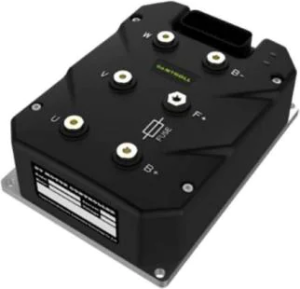
Operating Voltage Range and System Flexibility
Marine battery systems exhibit voltage fluctuations based on charge state, load demands, and battery chemistry. A well-designed BLDC motor controller is specified with a wide input voltage range. This means it can continue stable operation even when the battery voltage sags under high load or is elevated during charging cycles. For instance, a system nominally rated at 48 volts may actually operate between 42 and 58 volts in practice. The motor controller must maintain consistent output and protection functions across this entire span. This inherent flexibility within the motor controller prevents nuisance shutdowns and ensures thrust is available when needed, regardless of minor variations in the battery’s immediate state of charge.
Communication Protocols for Battery Management System (BMS) Interaction
Advanced lithium-based marine batteries are equipped with a Battery Management System (BMS) that monitors cell health and state. A primary function of the BMS is to protect the battery from damage. Sophisticated motor control solutions include communication ports—such as CAN bus—that enable direct data exchange with the BMS. This allows the battery to communicate its real-time capabilities and limits to the motor controller. If the BMS signals low voltage, high temperature, or excessive current draw, the controller can preemptively reduce power output or initiate a graceful shutdown. This cooperative dialogue prevents the battery from being forced into a protective fault mode, which would cut power abruptly, a critical safety feature in marine applications.
Managing Inrush Current and Sustained Load Profiles
The initial demand for current when a motor is energized—known as inrush current—can be severe. This sudden load can trip battery protection circuits or cause significant voltage drop. A key function of a BLDC motor controller is to soft-start the motor, ramping up the power gradually. This controlled acceleration massively reduces the inrush current, presenting a manageable load to the battery. Furthermore, the controller continuously regulates the current draw during operation, ensuring it remains within the battery’s continuous discharge rating. By acting as an intelligent intermediary, the motor controller shields the battery from damaging peak currents and promotes long-term battery health, which is a cornerstone of our design philosophy for marine motor control solutions.
The compatibility between a BLDC motor controller and a marine battery is not a passive assumption but an actively engineered relationship. It is achieved through broad voltage tolerance, bidirectional communication with the BMS, and careful management of current profiles. These motor control solutions function as the critical interpreter between the energy storage system and the propulsion motor, optimizing performance while enforcing protective protocols for both components. This integrated approach is fundamental to creating durable and dependable electric marine propulsion systems that operators can trust in demanding environments.