

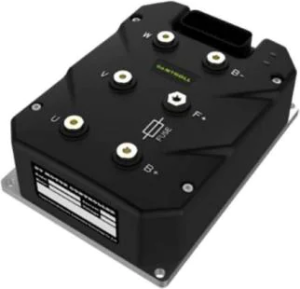
The operational life of a brushless DC motor is frequently determined not just by its mechanical construction, but by the intelligence of its accompanying BLDC motor controller. We see this component as an integrated safeguarding system. A sophisticated BLDC motor controller extends beyond simple command functions to incorporate multiple layers of electronic protection. These features are critical for preventing damage under adverse conditions, ensuring system reliability, and reducing unexpected downtime in industrial settings.
Preventing Overcurrent and Stall Conditions
A primary threat to any motor is excessive current. During startup, a jammed rotor, or a sudden overload, the current draw can spike to damaging levels. This generates intense heat within the windings, which can rapidly degrade insulation and permanently destroy the motor. The BLDC motor controller is designed to constantly monitor current flow using sensors. If the current exceeds a predefined safe threshold, the controller will instantly intervene. This protection often involves cutting power or limiting current to a safe maximum. By actively managing these surges, the motor controller prevents the primary cause of immediate motor burnout, safeguarding your investment from catastrophic failure.
Managing Thermal Overload and Heat Dissipation
Persistent operation at high loads can cause a motor to exceed its safe operating temperature. While current is managed, heat itself is a separate, cumulative danger. Advanced motor controller units include thermal protection models. Some systems use sensors embedded in the motor to feed real-time temperature data back to the controller. In sensor-less designs, the controller may calculate a thermal model based on current and operating time. When a critical temperature is approached, the controller can initiate a protective response, such as reducing power output or shutting down completely until a safe temperature is restored. This proactive management prevents the gradual deterioration of magnets and insulation caused by chronic overheating.
Mitigating Voltage Anomalies and Signal Errors
The electrical supply is not always stable, and a BLDC motor controller must shield the motor from these external irregularities. Two common threats are over-voltage and under-voltage. Excessively high voltage can stress insulation and damage internal electronics, while voltage that is too low can cause the motor to draw excessive current to maintain torque, leading to overheating. The controller’s circuitry continuously monitors the supply bus. It is programmed to disable operation if the voltage moves outside a specified operating window. Furthermore, a reliable BLDC motor controller includes safeguards for its own control signals. It will typically fault if it loses the command signal or detects an anomaly in the feedback from hall sensors, preventing erratic and potentially hazardous operation.
The protective functions of a BLDC motor controller are fundamental to achieving the durability and low maintenance costs associated with modern brushless systems. These are not secondary features but core design priorities that allow the motor to perform consistently within its safe operating area. Santroll integrates these comprehensive protection protocols into our controllers to provide a robust defense against the common failure modes that impact motor lifespan. This engineering approach results in a motion system that offers not just performance but also predictable operation and long-term dependability for your machinery.