

From an electromechanical standpoint, the potential for an electric motor to function in a reverse capacity is a direct application of fundamental physics. We at Santroll recognize the practical interest in this principle, especially in contexts like marine propulsion where an electric motor used for thrust might also recover energy. The underlying answer is that many types of electric motor designs can indeed operate as generators, but the implementation requires specific conditions and system support.
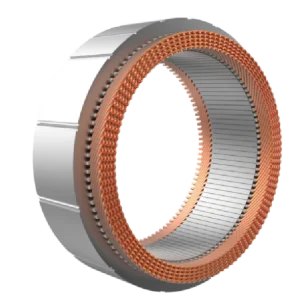
The Universal Principle of Electromagnetic Induction
The operational basis for both motors and generators is electromagnetic induction. An electric motor functions by using electrical current to create a magnetic field that produces mechanical force. When the process is reversed—when an external force is used to mechanically rotate the shaft of the same electric motor—the movement of its internal components through a magnetic field induces an electrical voltage across its terminals. If a circuit is completed, this voltage can drive a current, meaning the device is now acting as a generator. This core reversibility is a property of the electromagnetic design, not just of specific models.
Implementation Requirements for Effective Generation
While the principle is universal, successful implementation is not automatic. The generated electricity must be managed. For the system to be practical, external components are necessary to condition the power output. This typically requires a specialized controller that can rectify the alternating current (AC) generated into direct current (DC) if needed, and regulate the voltage and frequency to be usable by batteries or the grid. This is a critical consideration for applications like auxiliary power on vessels, where the boat motors must be part of a system designed for this bidirectional flow of energy.
Practical Applications and System Design Considerations
This functionality is leveraged in specific industrial and mobility applications. A prominent example is regenerative braking in electric vehicles, where the drive electric motor is used to slow the vehicle, simultaneously converting kinetic energy back into stored electrical energy. In the marine sector, the concept can be applied to certain hybrid systems where the propulsion boat motors can contribute to charging onboard batteries during sailing. It is essential to note that not every electric motor is optimized for this duty; efficiency in one direction does not guarantee efficiency in the other, and the mechanical construction must withstand the forces of both driving and being driven.
The capability of an electric motor to generate electricity is a demonstrable phenomenon rooted in electromagnetic theory. However, its practical utility is entirely dependent on the surrounding system architecture, including the necessary power electronics and control logic. For our engineering work at Santroll, this principle informs how we view the integration of our electric motor systems, particularly in evolving applications like boat motors where energy efficiency and multi-functionality are increasingly valuable. The device itself possesses the potential; the system unlocks its functional application.