

Marine propulsion is experiencing a shift driven by developments in electrical systems. We at Santroll see that modern motor control solutions are fundamentally altering the capabilities and applications of marine thrusters. The integration of sophisticated motor controller technology moves these systems beyond simple rotational force into the realm of precise dynamic positioning and intelligent maneuverability. This evolution is particularly evident in the use of advanced AC motor speed controller units, which provide the granular control necessary for modern maritime operations.
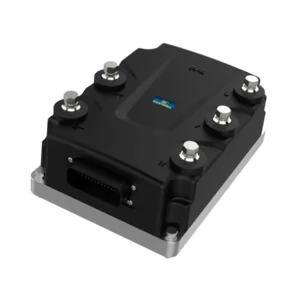
Delivering Precision for Dynamic Positioning
Traditional thruster systems offer limited granularity, often operating in simple forward/reverse states with fixed power levels. The incorporation of a modern motor controller changes this paradigm entirely. These systems allow for precise manipulation of torque and rotational speed, enabling thrusters to deliver exact, incremental amounts of force. This precision is critical for dynamic positioning (DP) systems, which must constantly adjust thrust to maintain a vessel’s station against wind, current, and waves. An AC motor speed controller can make minute adjustments in real-time, responding to DP system commands to activate thrusters for only the specific duration and power required. This results in superior station-keeping accuracy and reduced fuel consumption compared to older on/off or mechanically controlled systems.
Enhancing Efficiency and Reducing Mechanical Stress
Beyond precision, the quality of power delivery from a modern motor controller contributes significantly to efficiency and longevity. Direct-on-line starting of large thrusters places immense electrical and mechanical stress on both the thruster motor and the vessel’s power generation system. A sophisticated AC motor speed controller eliminates this issue by providing soft-start capabilities. It ramps the motor up to speed gradually, minimizing the inrush current and preventing the sudden torque shocks that can damage gears and shafts. Furthermore, by optimizing the power factor and ensuring the motor operates at its most efficient speed for a given thrust requirement, the motor controller reduces overall energy consumption, which is a major operational cost in marine applications.
Enabling Integrated Vessel Management Systems
The modern marine thruster, governed by an intelligent motor controller, is no longer an isolated component. It functions as a responsive node in an integrated vessel management network. These controllers communicate via standardized protocols, relaying vital data on performance, health, and operational status to the central monitoring system. This allows for predictive maintenance based on actual run-time and load data rather than fixed schedules. For example, the motor controller can track thermal overload events and insulation degradation, alerting the crew to potential issues before they result in failure. This level of integration and data exchange, facilitated by the thruster’s motor controller, transforms maintenance from a reactive to a proactive practice.
The functional capabilities of marine thrusters are now directly linked to the sophistication of their accompanying control systems. The shift from basic electrical switches to intelligent, software-driven motor controllers represents a substantial advancement in marine technology. These systems provide the precise control necessary for complex operations, improve overall energy efficiency, and deepen the integration of propulsion into the vessel’s digital infrastructure. We anticipate that the role of the AC motor speed controller will continue to expand, further solidifying its position as a critical component in the next generation of marine propulsion and maneuvering systems.