

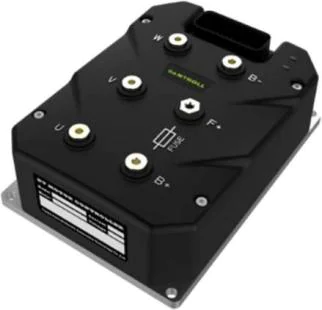
In the architecture of power-dense electric motor solutions, every component is optimized for performance within a constrained volume. The switching frequency of a BLDC motor controller is a fundamental parameter that directly influences this balance of size, efficiency, and control fidelity. We will analyze the core reasons why
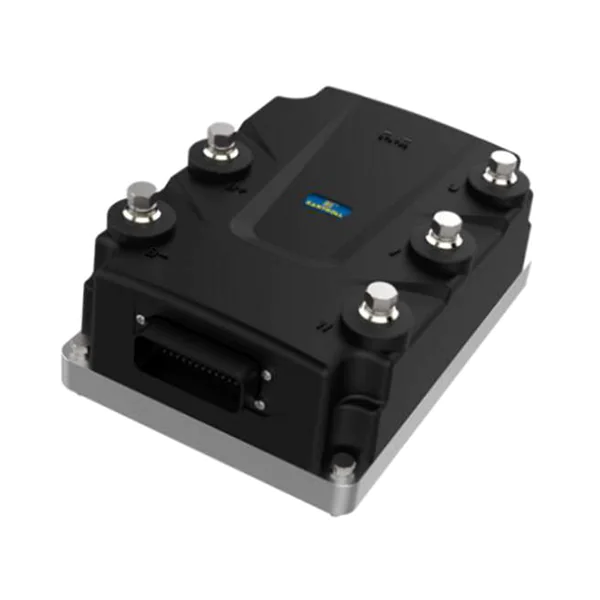
Non-road electric vehicles, from agricultural harvesters to industrial forklifts, operate under a set of demands distinct from their on-road counterparts. The core of their operational capability frequently rests on the performance of the AC motor controller. This component acts as the central nervous system for the vehicle’s
Current regulation forms the operational foundation for controlling torque and protecting hardware in DC motor systems. This principle is central to the function of any sophisticated motor controller, especially a BLDC motor controller. The underlying physical law is direct: the torque produced by a DC motor is
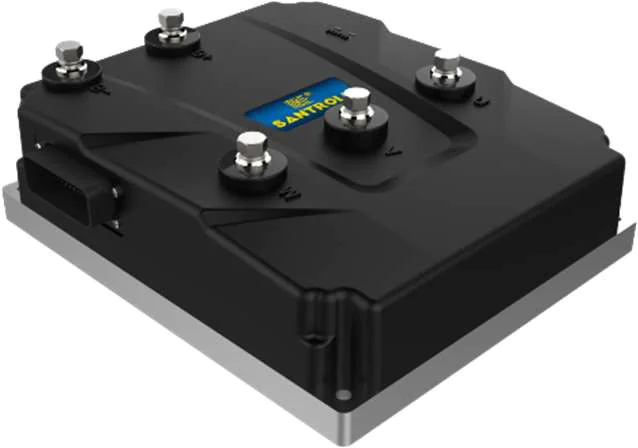
Quantifying torque output is a fundamental requirement for validating motor performance and ensuring system integration meets design specifications. Several established techniques exist to measure the torque produced by an electric motor, each with specific applications and accuracy levels. We at Santroll will outline these methods, considering their practical implementation